

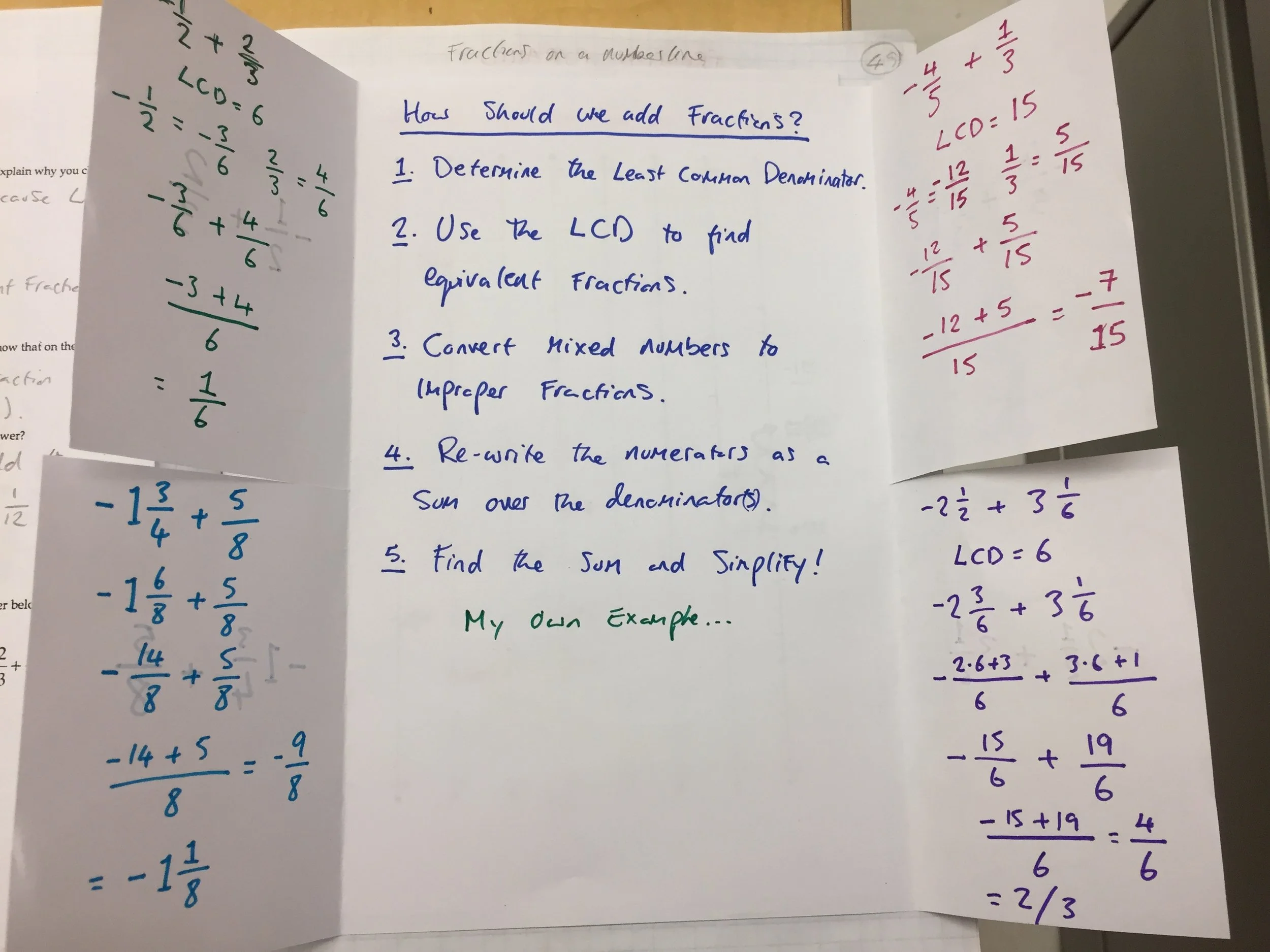
Teaching mathematics in primary schools is a critical endeavor that lays the foundation for students’ future academic success. The approach to teaching mathematics must be engaging, interactive, and tailored to meet the diverse needs of young learners. This case study explores effective strategies for teaching mathematics in primary schools, focusing on hands-on learning, the use of technology, internet business insights and fostering a positive mathematical mindset.
One of the most effective strategies for teaching mathematics is through hands-on learning. This approach encourages students to engage with mathematical concepts in a tangible way. For instance, using manipulatives such as blocks, counters, or measuring tools allows students to visualize and physically interact with numbers and operations. For example, when teaching addition and subtraction, teachers can use physical objects to represent problems, enabling students to see the relationships between numbers. This not only aids in comprehension but also makes learning enjoyable. Teachers can organize activities where students work in groups to solve problems using these manipulatives, promoting collaboration and communication among peers.
Incorporating technology into mathematics instruction is another powerful strategy. Digital tools such as interactive math games, apps, and online resources can enhance the learning experience. For instance, platforms like Khan Academy and Prodigy offer personalized learning paths that adapt to each student’s level, providing practice and feedback in real-time. Additionally, using smartboards in the classroom can facilitate interactive lessons where students can participate actively. Teachers can demonstrate mathematical concepts visually and allow students to come up to the board to solve problems, making the learning process more dynamic and engaging.
Fostering a positive mathematical mindset is crucial for student success. Teachers should encourage a growth mindset by emphasizing that mistakes are part of the learning process. This can be achieved by creating a classroom environment where students feel safe to take risks and express their thoughts. For instance, when a student makes an error, the teacher can guide them through the process of understanding what went wrong and how to correct it, reinforcing the idea that perseverance leads to improvement. Celebrating small successes and providing constructive feedback can also boost students’ confidence in their mathematical abilities.
Furthermore, integrating real-life applications of mathematics into lessons can make the subject more relevant and interesting for students. Teachers can design projects that involve budgeting for a class event, measuring ingredients for a recipe, or analyzing data from a survey. These activities not only teach mathematical concepts but also develop critical thinking and problem-solving skills. By connecting math to everyday life, students can see the practical value of what they are learning, which enhances their motivation and engagement.
In conclusion, teaching mathematics in primary schools requires a multifaceted approach that includes hands-on learning, the integration of technology, and the promotion of a positive mindset. By employing these strategies, educators can create a stimulating and supportive learning environment that fosters a love for mathematics and equips students with essential skills for their future. The goal is to make mathematics not just a subject to be learned, but a valuable tool that students can use throughout their lives.