

Cultural influences unraveling the significance of casinos in society
Historical Context of Casinos
Casinos have deep historical roots that reflect the cultural and social dynamics of the eras in which they thrived. Originating in Italy during the 17th century, these establishments served not only as venues for gambling but also as social hubs where art, music, and conversation flourished. As casinos spread across Europe, they adapted to local customs and societal norms, illustrating how gambling environments can mirror the cultural tapestry of their locations. In today’s world, enthusiasts can explore various online betting sites that showcase this rich heritage.

The rise of casinos in the United States during the 20th century marked a significant shift, aligning gambling with notions of entertainment and leisure. This evolution was influenced by the cultural landscape of post-war America, where economic prosperity and a burgeoning tourism industry contributed to the popularity of gambling as a mainstream activity. Such transformations highlight how casinos have evolved to fit the societal values and expectations of their respective times.
Casinos and Social Interactions
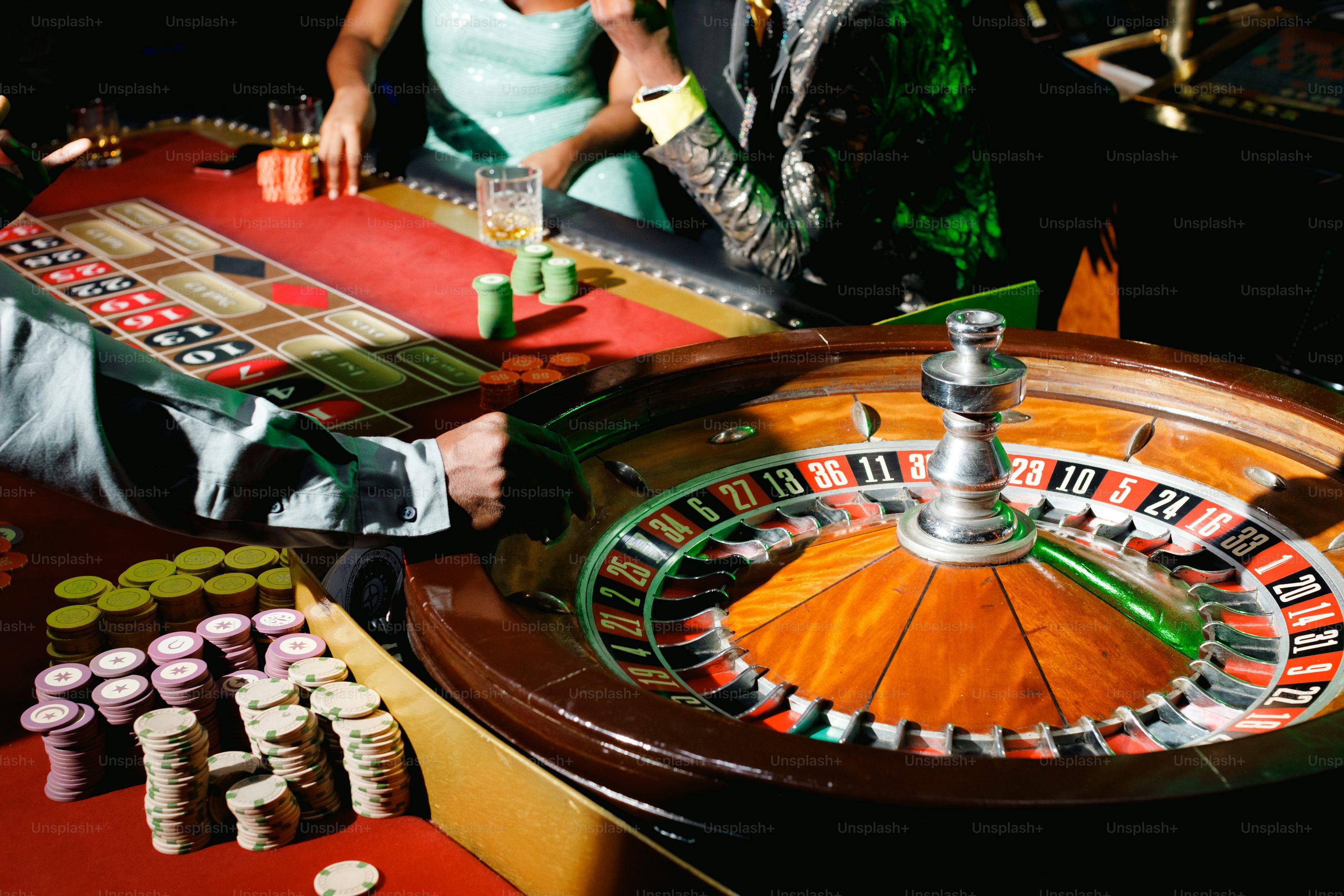
Casinos play a pivotal role in fostering social interactions among diverse groups of people. They serve as gathering places where individuals from various backgrounds come together, often leading to the formation of friendships and community ties. This social aspect is significant in many cultures, where gaming can break down barriers and promote inclusivity.
Furthermore, casinos often host events, performances, and shows that add to their social appeal. These events are designed to attract visitors, thus enhancing the experience beyond mere gambling. By creating an environment where socialization is encouraged, casinos contribute to the cultural fabric of the communities they inhabit, emphasizing their role as centers for social engagement.
Cultural Perceptions of Luck and Skill
The interplay between luck and skill in casino gaming reflects broader cultural attitudes towards chance and personal agency. Many cultures have their interpretations of luck, often tied to folklore and traditions that influence how people approach gambling. This cultural lens can affect players’ perceptions, shaping their beliefs about winning and losing in a casino context.
On the other hand, skill-based games like poker highlight the importance of strategy and decision-making, appealing to those who value control over their outcomes. This balance between luck and skill embodies a complex relationship with gambling that varies across cultures, illustrating how casinos can reflect deeper societal views on chance, fate, and personal responsibility.
Economic Impact of Casinos
The economic significance of casinos extends beyond direct revenue generation. In many regions, they are vital to local economies, creating jobs and fostering tourism. The influx of visitors to a casino can stimulate demand for ancillary services such as hotels, restaurants, and entertainment, providing a substantial boost to the local economy.
Moreover, casinos contribute to community development through funding initiatives and charitable contributions. By supporting local projects and infrastructure, they become integral to the social and economic well-being of their host communities. This multifaceted impact underscores the broader significance of casinos in modern society, highlighting their role as economic engines that also prioritize social responsibility.
Conclusion: The Role of Casinos in Modern Society
In summary, the significance of casinos transcends mere gambling; they are cultural phenomena that reflect the values, beliefs, and social structures of the societies in which they exist. As venues for entertainment, socialization, and economic activity, casinos continue to evolve while maintaining their status as pivotal cultural institutions.
This website aims to provide comprehensive insights into the world of casinos, exploring their historical roots, social impacts, and economic contributions. By fostering a deeper understanding of the role casinos play in society, we hope to enrich the conversation surrounding their cultural significance.